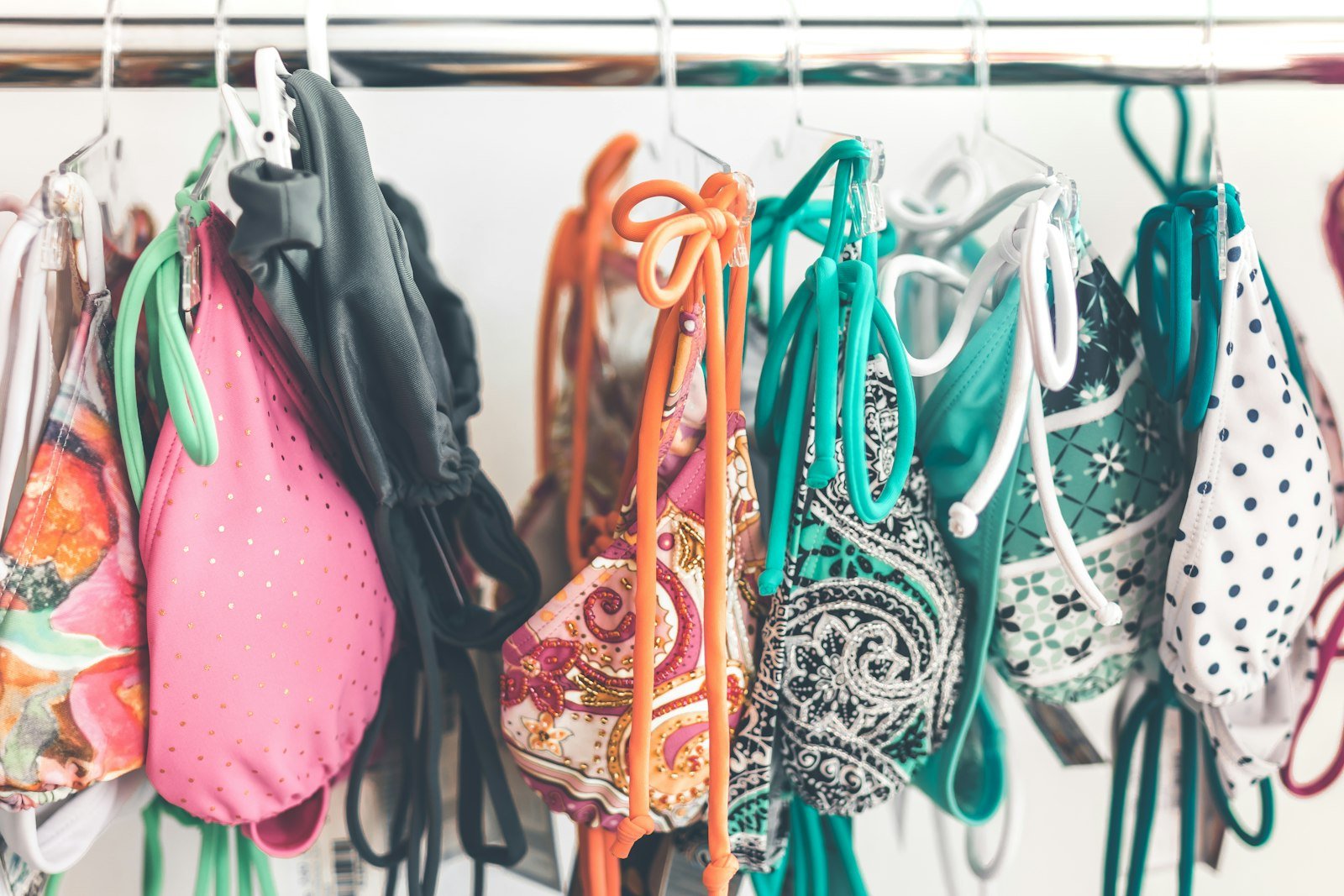
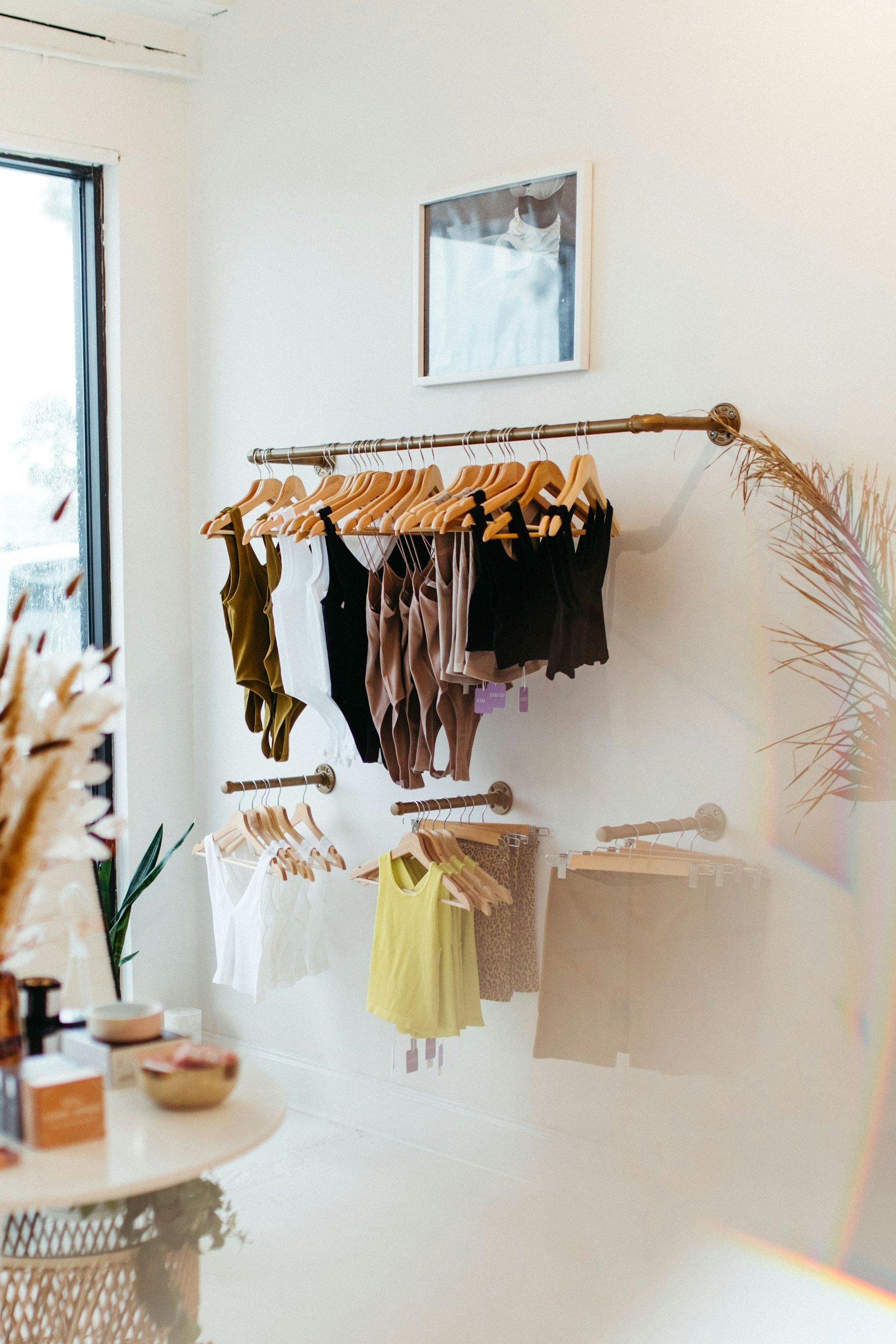
Standing in front of a wall of swimwear, or scrolling through endless product grids, the first decision is often the hardest: one-piece, bikini or tankini? Each style has real strengths, and none of them is “right” for a particular age or body. The best choice depends on what you’ll be doing, how much coverage and support you want, and how you like to feel when you’re in the water.
This guide walks you through how each style works, where it shines, where it falls short, and how to decide which one belongs in your suitcase. Spoiler: plenty of people end up owning all three.
Quick takeaways
- Bikinis offer the most flexibility: you can size the top and bottom separately and mix styles.
- One-pieces give continuous coverage and tend to stay put best for swimming and active days.
- Tankinis combine coverage with two-piece convenience, especially for bathroom breaks and longer torsos.
- Choose based on activity, support needs and comfort first; style details come second.
- A small rotation of two or three styles covers almost every beach, pool and travel situation.
The three styles at a glance
Before getting into the details, here’s a quick side-by-side comparison. Keep in mind that each category is broad. A high-leg one-piece with a low back can show more skin than a full-coverage bikini, so treat these as general tendencies rather than strict rules.
| Feature | One-piece | Bikini | Tankini |
|---|---|---|---|
| Torso coverage | Full | Minimal to moderate | Full or near-full |
| Separate sizing top and bottom | Rarely | Usually | Usually |
| Stays put in waves and laps | Very good | Varies by cut | Good, though tops can ride up |
| Bathroom convenience | Least convenient | Very convenient | Very convenient |
| Mix-and-match potential | Low | High | Moderate to high |
| Tan lines | Most pronounced on torso | Smallest | Similar to one-piece |
The bikini: maximum flexibility
A bikini is simply a two-piece swimsuit with a separate top and bottom, but within that definition there’s enormous variety. Tops range from minimal triangles to structured underwire balconettes, and bottoms run from full-coverage briefs to high-waisted cuts. If you want to explore the options in detail, our guides to bikini top styles and bikini bottom cuts break down each shape.
Why people love bikinis
- Separate sizing. If your top and bottom measurements fall into different sizes, a bikini lets you buy each piece in the size that actually fits.
- Mix and match. Two tops and two bottoms give you four combinations, which is handy for travel.
- Easy changing. Getting in and out is quick, and bathroom trips don’t require peeling off a wet suit.
- Dries fast. Less fabric means less time sitting in a damp suit after a swim.
Where bikinis can fall short
Some bikini styles, especially string triangles and bandeaus, offer limited support and can shift when you dive or get hit by a wave. If you need real support, look for underwire, wider straps, adjustable back closures and band-sized tops. The difference between a lounging bikini and a swimming bikini is mostly in these construction details.
Bikinis also expose more skin to the sun, so you’ll need to be more thorough with sunscreen on your midsection and back, and remember to reapply after swimming.
The one-piece: streamlined and secure
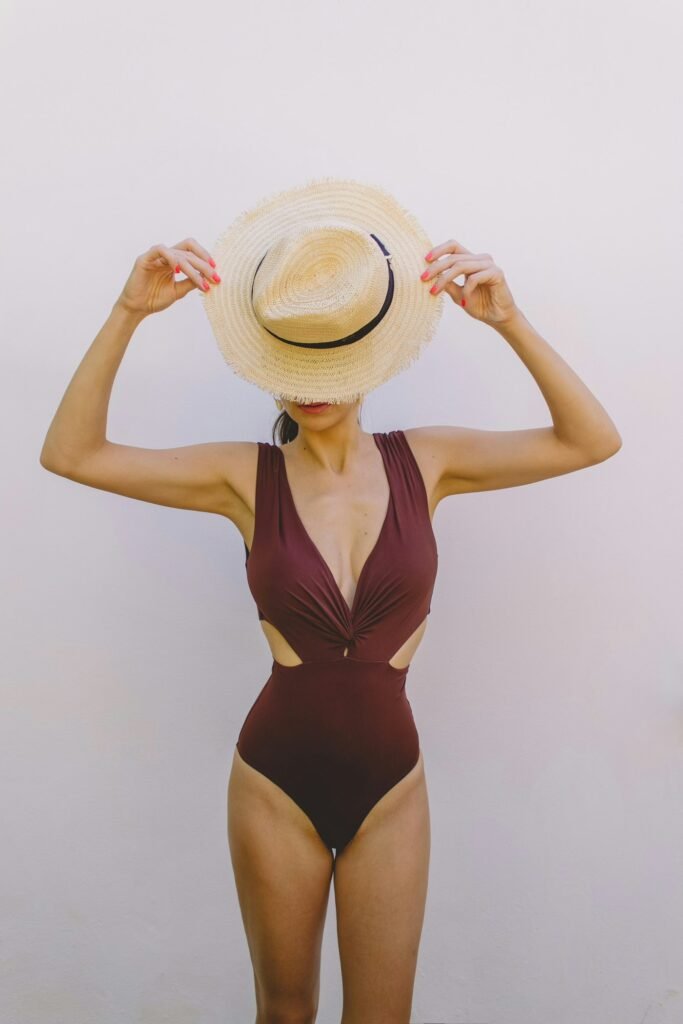
The one-piece has come a long way from the basic tank suit. Today you’ll find plunging necklines, cut-outs, high legs, open backs, wrap fronts, built-in cups and sporty racerbacks. What they share is a single continuous piece of fabric, which gives them a distinct advantage when it comes to staying in place.
Why people love one-pieces
- Security in the water. With no waistband to slip and no top to ride up, a well-fitted one-piece is hard to beat for laps, diving and playing in the surf.
- More sun coverage. Your torso and back are covered, which means less area to sunscreen.
- Beach-to-bar versatility. Add a skirt, wide-leg trousers or a sarong and many one-pieces double as a bodysuit.
- Built-in shaping options. Many styles include lining, panels or ruching if you prefer a smoother look.
Where one-pieces can fall short
The biggest challenge is torso length. A one-piece has to fit your bust, waist, hips and the distance between your shoulders and crotch all at once. If you have a long torso, straps can dig in and the suit can pull uncomfortably. If you have a short torso, fabric can bunch at the waist. Some brands offer long-torso sizing, and measuring your torso loop before buying helps enormously. Our guide on how to measure for a swimsuit explains exactly how to do it.
One-pieces are also less convenient for bathroom breaks and take longer to dry, which matters if you’re spending all day at the water.

The tankini: the practical middle ground
A tankini pairs a tank-style top, which covers most or all of the torso, with a separate bottom. It was designed to offer one-piece coverage with two-piece convenience, and it does that job well. Tankini tops come in many forms: fitted, flowy, blouson, halter, underwire and even longer swim-dress styles.
Why people love tankinis
- Coverage without commitment. You get torso coverage while keeping the ease of two pieces.
- No torso-length problem. Because the pieces are separate, long and short torsos fit more easily than in a one-piece.
- Separate sizing. Like bikinis, many tankinis are sold as separates.
- Flexible bottoms. Pair a tankini top with briefs, high-waisted bottoms, swim shorts or a swim skirt.
Where tankinis can fall short
Looser tankini tops can float up in the water or billow when you swim. If you plan to swim actively, choose a more fitted top, or one with an inner shelf bra that anchors it. Flowy tops are lovely for lounging and walking around, but less practical for laps. Tankinis also leave a small band of skin at the waist when you move, so don’t skip sunscreen there.
Pro tip: Try tankini tops on with the bottom you plan to wear. A top that ends right at the waistband of a high-waisted bottom looks seamless, while a gap or overlap can feel less secure.
How to choose: ask yourself these questions
Rather than picking a style based on rules about who “should” wear what, work through what you actually need from your swimwear.
What will you be doing?
For swimming laps, surfing, water sports or chasing kids through the waves, prioritize security: a well-fitted one-piece, a sporty bikini with a secure top, or a fitted tankini. For lounging by the pool, reading on the sand or sunbathing, anything goes. If your days mix both, a supportive bikini or fitted tankini covers the most ground. Our guide to swimwear for active days goes deeper into what keeps a suit in place.
How much support do you need?
Support comes from construction, not from the category. You can find underwire bikinis, one-pieces with built-in cups and tankinis with molded bras. If you have a larger bust, focus on features like band sizing, wide straps and adjustable closures, whichever of the three styles you prefer.
How is your fit between top and bottom?
If your bust and hip measurements land in different sizes, separates are your friend. Bikinis and tankinis let you buy each piece independently. If you love the look of a one-piece but struggle with fit, look for adjustable straps and brands that offer torso-length options.
How much convenience matters?
Long beach days, family outings and travel with limited changing facilities all favor two-piece styles. If you’ll be at a hotel pool with a room nearby, a one-piece is less of a hassle.
How do you want to feel?
This is the most important question and the one most often skipped. Some people feel freest in a bikini, others feel most confident in a sleek one-piece, and some simply prefer the ease of a tankini. None of these preferences needs justifying. Choose the suit that lets you forget about your suit and enjoy the day.
Building a small swimwear rotation
If you swim often or travel to warm places, owning more than one suit is practical. Swimwear lasts longer when it gets a full day to dry and recover between wears, and different days call for different styles. A simple, versatile rotation might look like this:
- One active suit: a secure one-piece or sporty bikini for swimming and water sports.
- One relaxed suit: a bikini or tankini for lounging, sunbathing and easy changes.
- One wildcard: a style or color you love that can double as a bodysuit or top for beach bars and walks.
Choosing coordinating colors lets you mix pieces between suits, which stretches the rotation further. And whichever styles you choose, rinsing and drying them properly after each wear will keep them in shape for longer.
FAQ
Is a one-piece better for swimming laps than a bikini?
Generally, yes. A well-fitted one-piece has fewer edges that can shift, so it stays put through push-offs and strokes. That said, a sporty bikini with a secure, supportive top and a snug bottom can work well too.
Are tankinis only for older women?
Not at all. Tankinis are chosen for practical reasons like coverage, convenience and fit, and those needs have nothing to do with age. Modern tankinis come in every style from sporty to fashion-forward.
What should I choose if I have a long torso?
Two-piece styles, such as bikinis and tankinis, sidestep torso-length issues entirely. If you prefer a one-piece, look for long-torso sizing or styles with adjustable straps, and measure your torso loop before ordering.
Can I wear a tankini top with bikini bottoms?
Yes. Many tankini tops are sold as separates precisely so you can pair them with whatever bottom you like, from classic briefs to high-waisted cuts or swim shorts.
There’s no wrong answer in the one-piece, bikini and tankini debate, only the right suit for the day you have planned. Start with what you’ll be doing and how much support you need, then choose the style that feels most like you. The best swimsuit is the one you forget you’re wearing.