Bikini bottoms can look almost identical in a product photo and feel completely different once you put them on. The difference usually comes down to three things: how high the waistband sits, how much fabric covers the back, and how high the leg openings are cut. Understand those, and names like “hipster,” “cheeky” and “Brazilian” start to make sense.
This guide explains the most common bikini bottom cuts, what each one feels like to wear, and how to choose between them based on comfort, coverage and what you plan to do.
Quick takeaways
- Bottoms differ in three ways: rise (waistband height), back coverage and leg cut.
- Full-coverage and high-waisted styles offer the most fabric; cheeky and Brazilian cuts offer the least.
- Wider side panels sit more smoothly and are less likely to dig in than thin strings.
- Side-tie bottoms are the most adjustable across hip sizes.
- For active days, choose a mid or high rise with secure elastic.
The three things that define a bikini bottom
When you compare bottoms, look beyond the style name and check these three features.
Rise
Rise is how high the waistband sits on your body. Low-rise bottoms sit below the hip bones, mid-rise sits around the hips, and high-rise or high-waisted styles sit at or near the natural waist. Rise affects both coverage and how secure the bottoms feel when you move.
Back coverage
Back coverage ranges from full (covering most of the seat) to moderate, cheeky and minimal. Brands describe this differently, so product photos from the back and written descriptions are worth checking.
Leg cut
The leg opening can be cut low and straight across, moderately high, or very high on the hip. A higher leg cut shows more of the hip and can visually lengthen the leg. A lower cut gives more coverage at the front and sides.
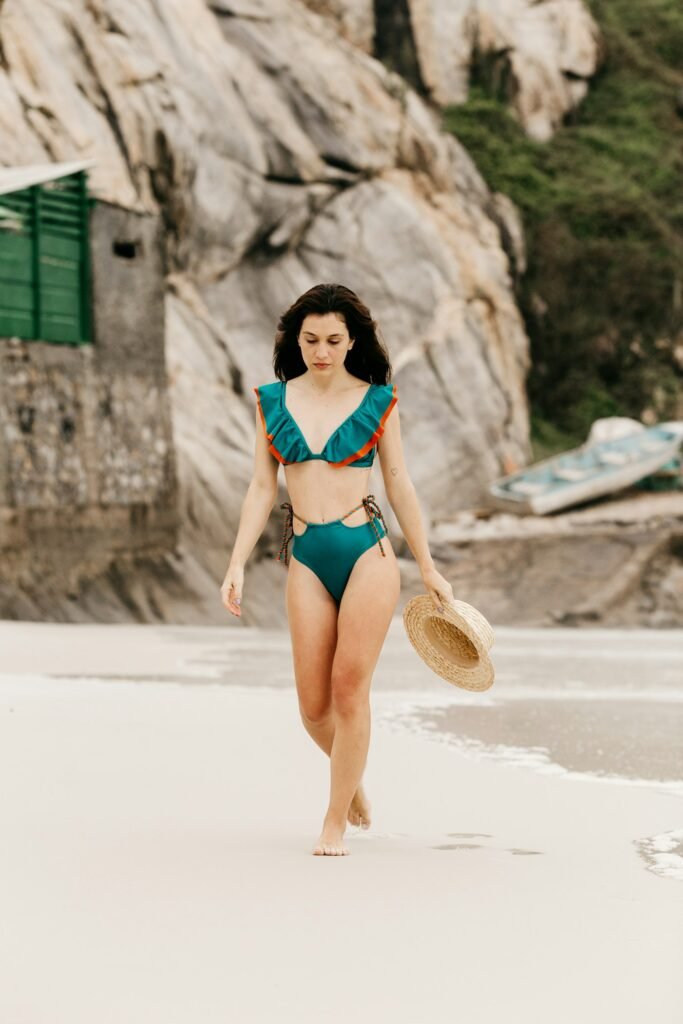
Full-coverage bottoms
Full-coverage bottoms offer the most fabric at the back and usually have a mid rise with a moderate leg cut. They are sometimes labeled “classic” or “full brief.”
Why people like them: They feel secure and comfortable, stay put when you swim, and require the least adjustment. Many people choose them for family beach days, active use, or simply because they prefer the coverage.
Things to know: Look for wider side panels, which sit smoothly without digging in. If the leg elastic feels tight, a slightly higher leg cut may actually be more comfortable.
Hipster bottoms
Hipsters sit low on the hips with wide sides that run fairly straight across. Back coverage is usually moderate to full.
Why people like them: The wide side panels feel stable and comfortable, and the lower rise looks relaxed. Hipsters are a good everyday choice for many body types.
Things to know: On curvier hips, a low rise can sometimes slip down when you sit or bend. If that happens, try a mid-rise version or a slightly larger size.
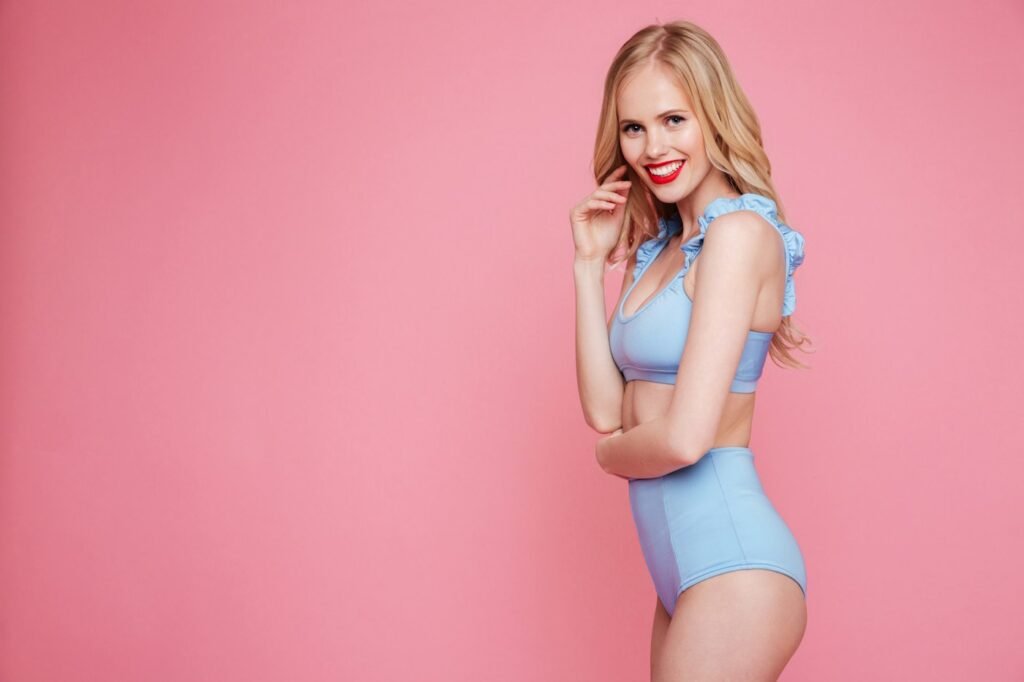
Moderate or “classic bikini” bottoms
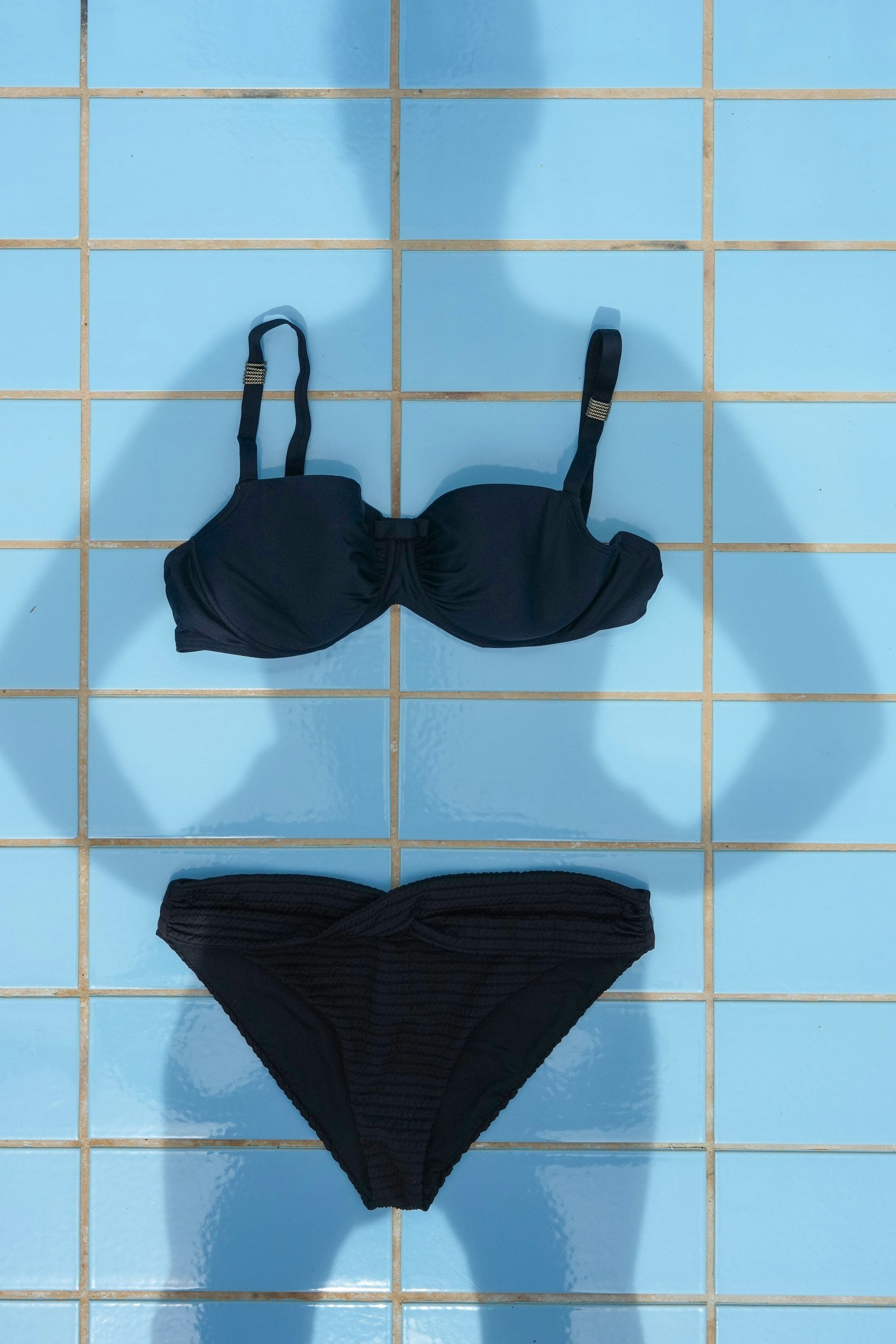
These sit between full coverage and cheeky. They have a medium rise, medium leg cut and moderate back coverage. Many sets come with this cut by default.
Why people like them: They balance coverage and a lighter look, and they work for most activities.
Things to know: Because this is the most common cut, fit varies widely between brands. Check the size chart and the back view in photos.
Cheeky bottoms
Cheeky bottoms have reduced back coverage, cut to show part of the seat. They often have a moderate rise and a slightly higher leg.
Why people like them: Many people find cheeky cuts sit well and do not ride up as much as fuller bottoms, because the fabric follows the natural contours of the body. They also reduce tan lines.
Things to know: This is purely a comfort and style choice. If you like the look, wear it. If you prefer more coverage for swimming or active use, pair a cheeky style with a mid rise and secure elastic.
Brazilian bottoms
Brazilian cuts have minimal back coverage, less than a cheeky style, often with a V-shaped or scrunched back and a low to mid rise.
Why people like them: Minimal fabric means minimal tan lines, and many find them comfortable for sunbathing.
Things to know: Brazilian cuts are less common for active use because there is less fabric to anchor them. Scrunch-back styles can shift slightly as you move, so try them on and walk around before committing.
Thong bottoms
Thong bottoms have the least back coverage of all, with a narrow strip of fabric at the back. They are the most minimal option and are mainly chosen for tanning.
Things to know: Check local norms if you are traveling, since beach customs around coverage vary from place to place.
High-waisted bottoms
High-waisted bottoms sit at or just below the natural waist, often covering the belly button. Back coverage is usually full, though some high-waisted styles have a higher leg or a cheekier back.
Why people like them: They offer the most coverage, feel secure, and create a clean, vintage-inspired line. Many people find them comfortable because the wide waistband does not roll or dig in.
Things to know: On a short torso, very high-waisted bottoms paired with a longline top can feel crowded; a mid-rise may sit better. On a long torso, high-waisted styles are a great way to get more coverage.
High-leg and high-cut bottoms
High-leg bottoms have leg openings cut high on the hip, often with a mid to high rise. The look draws on retro swimwear styles.
Why people like them: The high leg can make legs look longer and often feels less restrictive than a lower cut, because the elastic follows the hip crease.
Things to know: Back coverage can vary from full to cheeky, so check the description.
Side-tie and string bottoms
Side-tie bottoms fasten with ties at each hip. They come in many levels of coverage, from full to minimal.
Why people like them: They are the most adjustable bottom style, so they fit a range of hip measurements and can be loosened or tightened throughout the day.
Things to know: Ties can loosen in the water. Double-knot them for swimming, and choose styles with a fabric side panel rather than a single string if you want a smoother fit.
Skirted bottoms and swim shorts
Skirted bottoms have a short skirt attached over a brief, and swim shorts are like athletic shorts in swim fabric.
Why people like them: They offer maximum coverage and are practical for walking around, water sports or chasing kids. They also pair well with sporty tops.
Bikini bottom cuts compared
| Cut | Rise | Back coverage | Good for |
|---|---|---|---|
| Full coverage | Mid | Full | Swimming, family days, comfort |
| Hipster | Low to mid | Moderate to full | Everyday, stable fit |
| Classic | Mid | Moderate | All-round wear |
| Cheeky | Mid | Reduced | Style, fewer tan lines |
| Brazilian | Low to mid | Minimal | Sunbathing |
| High-waisted | High | Full | Coverage, secure feel |
| High-leg | Mid to high | Varies | Retro look, longer leg line |
| Side-tie | Varies | Varies | Adjustable fit |
How to choose the right cut for you
Start with what matters most to you. If you want coverage and security, look at full-coverage, high-waisted or skirted styles. If you want fewer tan lines or a lighter look, try cheeky, Brazilian or high-leg cuts. If your size changes across seasons, or if you are between sizes, side-tie bottoms give you flexibility.
Consider your plans too. For swimming laps, surfing or beach sports, choose a mid or high rise with firm elastic and wider sides. For lounging and sunbathing, anything goes. Our guide to choosing a bikini for your body type has more on matching bottoms to your frame.
Pro tip: Sit, squat and bend when you try on bottoms. If the waistband rolls or the back shifts, try a different rise or size before deciding the cut is not for you.
Sizing matters just as much as cut. Measure your hips and waist and compare against the brand’s chart; our guide on how to measure for a swimsuit shows you how. Then pair your bottoms with a top that suits your support needs, using our guide to bikini top styles.
FAQ
What is the difference between cheeky and Brazilian bikini bottoms?
Both have reduced back coverage, but Brazilian cuts show more than cheeky cuts. Cheeky bottoms cover roughly half the seat, while Brazilian bottoms have minimal back fabric and often a V or scrunch shape.
Which bikini bottoms stay in place best?
Styles with a mid or high rise, wider side panels and firm elastic tend to stay put best. Full-coverage and high-waisted bottoms, as well as swim shorts, are popular for active days.
Are high-waisted bikini bottoms comfortable?
Many people find them very comfortable, because the wide waistband sits flat without rolling or digging in. Make sure the size is right; if the waistband is too tight, it can feel restrictive.
What are hipster bikini bottoms?
Hipsters sit low on the hips with wide, straight side panels and moderate to full back coverage. They are stable, comfortable and suit many body types.
Should I buy bikini bottoms a size up?
Only if the size chart suggests it. Swimwear should fit snugly because fabric relaxes slightly when wet. Buying too large can lead to sagging in the water.
With so many cuts available, there is a bikini bottom for every preference. Think about rise, coverage and leg cut, try a few styles, and choose the one that feels comfortable enough to forget about. That is the one that belongs in your beach bag.